
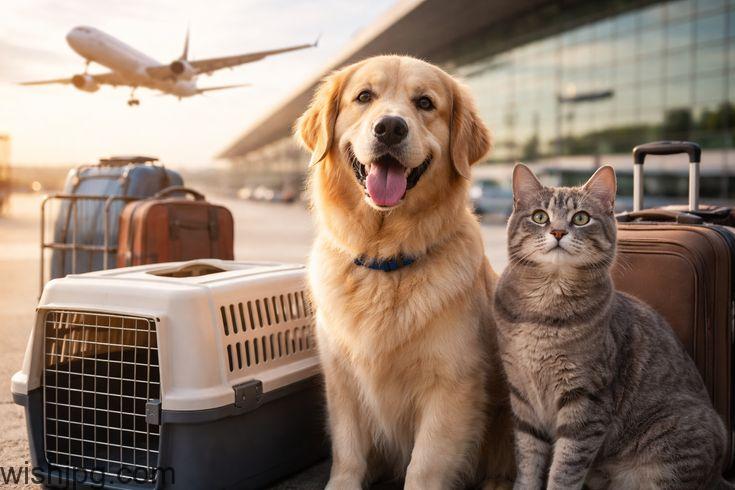
Giving pets a comfortable trip, whatever the reason, is important. Pets are sensitive when it comes to transporting them. This is why preparing them before travel reduces their stress. Every trip is a two-step process. It is what you need and what your pet needs. Pet travel is doable when prepared.
Millions of pets travel in different modes of transportation, from car to plane. The difference between a stressful and smooth trip is not only about the destination. It is knowing specific pet needs while traveling.
Pet owners flying pets interstate australia must understand a guide to travel safely.
The three questions to ask
The most important pet travel safety tip happens before leaving the driveway. Not all types of trips are right for every pet. You must ask yourself first if you really need to bring the pet with you before putting it into your vehicle.
The three questions to ask before bringing your pet to travel.
Is the pet physically ready?
You must talk to your veterinarian about your pet, such as:
- age
- health
- joint mobility
- respiratory conditions
- any medications
Pets become stressed when traveling. Some factors make pets unable to travel, such as:
- senior pets
- very young pets
- pregnant animals
- flat-faced breeds
- pets with:
- heart
- kidney
- respiratory disease
The federal regulations require pets to be at least 8 weeks old before flying.
Is the destination pet-friendly?
You must verify if your destination is safe for your pet, such as:
- hotel
- rental
- campsite
It will be a hassle when you arrive and find out they do not allow pets. You can ask in advance if the accommodation you are staying in has:
- screens on windows
- escape routes
- resident pets
- toxic houseplants
- size and breed restrictions
- quiet spaces for a stressed pet to retreat
Pre-move preparations
Documentation and health checks
Schedule a veterinary checkup several weeks before traveling. This ensures your pet is fit to travel. Your vet must update all vaccinations and provide the necessary health certificates.
Identification and microchipping
Ensure that your pet’s microchip information is current. The identification tag must have an updated address. This is important for your pet’s safety during the move and after arriving at the new location.
Familiarizing pets with travel
Introduce your pet to their travel crate several weeks before traveling. Placing familiar bedding inside creates positive associations. Taking your pet on a short practice trip helps adjust to traveling.
Professional pet transport services
Professional pet transport providers offer specialized services, such as:
- Door-to-door pickup and delivery
- Experienced handlers
- Climate-controlled vehicles
- Regular updates during transit
Regulatory considerations
Interstate quarantine laws
You must research specific quarantine requirements for your destination state. Some states have strict biosecurity measures that affect the pet’s travel.
Documentation requirements
You must maintain an organized file of documents, such as:
- Updated vaccination records
- Registration papers
- Health certificates
- Travel permits where applicable
FAQs
How important is it to have a vet appointment before traveling?
An appointment lets you discuss any travel related concerns, such as:
- motion sickness
- anxiety management
How do you ensure a comfortable journey for pets while traveling?
There are packing essentials to prepare for pets, such as:
- Collapsible water bowl
- bottled water
- Familiar bedding and toys
- Pet medications
- Food and treats
- First-aid supplies
- Waste bags
- Litter supplies
How to manage pet stress while traveling?
There are stress-reduction strategies to apply, such as:
- Natural calming aids from your vet
- Familiar blankets with your scent
- Regular comfort breaks for road travel
How long can a pet be quarantined?
The duration of quarantine for a pet is not fixed. Some factors can extend the quarantine period, such as:
- incomplete or incorrect documentation
- failed health screenings
- coming from high-risk rabies regions
