

The way we work has changed over the last decade, with more people moving from the traditional 9-to-5 office routine to something far more flexible and location-independent. Remote work has evolved from a rare perk to a mainstream career path, opening up new opportunities for those who want to combine professional success and global exploration.
Obviously, the rise of digital nomadism has created a new category of professionals who prioritize location independence without sacrificing career growth. Here, the most important aspect to consider is the destination, of course. For starters, nomads need unrestricted access to the Internet, whether for Facebook scrolling, playing casino games on Coinplay, or reading independent news.
But those are the basic requirements. One also needs nice locations, with a good infrastructure, and engaging leisure activities. So, what are the top destinations for digital nomads in 2025?
Spain: The European Powerhouse
Spain ranked as the #1 spot for digital nomad destinations in the world as of 2024, based on internet accessibility (very high), income requirement of €2,160 per month (very low), and the incredible weather (very temperate). Spain’s digital nomad visa, launched in 2023, has made the country even more appealing to remote workers.
Key advantages:
- Low cost of living in many cities
- Visa extensions up to five years possible
- Strong tech industry presence
- Excellent healthcare system.
Requirements:
- Minimum income of €2,160 per month
- University degree or three years of work experience
- Health insurance coverage
- Clean background check.
Thailand: The Southeast Asian Haven
Thailand is also growing into a popular destination for digital nomads thanks to its tropical climate, low cost of living, and mild visa policies. The country offers the Long Term Resident Visa (LTR) and the newer Destination Thailand Visa (DTV) for remote workers seeking extended stays.
Thailand’s tourism sector continues to thrive, with the country experiencing remarkable growth. This destination offers an exceptional blend of modern infrastructure and traditional culture, making it particularly attractive for nomads who want productivity and cultural immersion.
The tourism boom in Thailand has already resulted in improved co-working facilities and better internet connectivity, at least in major cities. With Thailand potentially heading for a record year in foreign tourists, the infrastructure for international visitors continues to improve rapidly. Popular nomad hubs include Bangkok, Chiang Mai, and Phuket, each offering unique advantages from urban sophistication to beachside tranquility.
Indonesia: The Island Paradise
Indonesia is a famous destination for digital nomads due to its stunning landscapes and spiritual culture, offering the B211a Visa for remote workers. Bali remains the crown jewel for nomads, particularly in areas like Ubud and Canggu.
What makes Indonesia special:
- Extremely low cost of living
- Year-round warm climate
- Diverse landscapes from beaches to mountains
- Strong expat community
- Tax advantages for foreign income.
The country’s visa policy requires a minimum bank balance of $2,000 and proof of financial self-sufficiency, making it accessible for most established remote workers.
Essential Infrastructure Considerations
Reliable internet remains the most crucial factor for any digital nomad destination. Strong WiFi is the number one requirement for efficient remote work, though your mileage will vary based on your vocation. Look for destinations offering:
- Fiber optic internet with speeds exceeding 50 Mbps
- Multiple ISP options for redundancy
- Well-equipped co-working spaces with backup power
- Reliable mobile networks for hotspot backup.
Cost-Effectiveness
Many of the most popular digital nomad destinations, like Mexico, Portugal, or Thailand, offer a significantly lower cost of living than major U.S. or European cities. Budget-conscious nomads should consider destinations where their income stretches furthest while maintaining quality of life standards.
Budget-friendly options include:
- Mexico (Playa del Carmen, Mexico City)
- Colombia (Medellín, Bogotá)
- Portugal (Lisbon, Porto)
- Malaysia (Kuala Lumpur, Penang).
Emerging Destinations Worth Watching
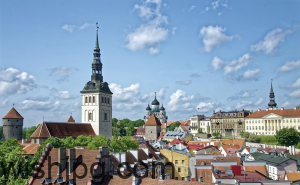
Several up-and-coming destinations are gaining traction among forward-thinking nomads seeking to avoid overcrowded hotspots while still enjoying excellent amenities.
Estonia: The Digital Pioneer
Estonia is one of the first countries that recognized the need for digital nomads, along with Croatia, another promising destination. Estonia’s digital nomad visa offers a streamlined application process and access to one of Europe’s most advanced digital infrastructures.
Greece: Mediterranean Appeal
The Greek Digital Nomad Visa is granted for one year, possibly extending for up to three years, with preferential tax conditions for digital nomads. Greece offers a unique combination of ancient history, Mediterranean lifestyle, and modern amenities.
Bonus Tips on Practical Planning
Successful nomadism is about careful planning, not merely choosing a destination. Consider these essential preparation steps:
- Research visa requirements well in advance
- Ensure passport validity for the intended stay duration
- Obtain necessary health insurance coverage
- Prepare financial documentation for visa applications.
Do not ignore a proper technology setup either. Pay special attention to VPN requirements for accessing home-country services, pack universal power adapters, and test all equipment before departure. Most importantly, do not forget to research tax implications in both home and destination countries.
With these tips, you will minimize unpleasant surprises and get a chance to experience new destinations in full. No matter if you’re drawn to Spain’s vibrant cities, Thailand’s tropical paradise, or emerging destinations like Estonia, the key to success depends on thorough research, careful planning, and maintaining the flexibility that makes nomadism so rewarding.
