
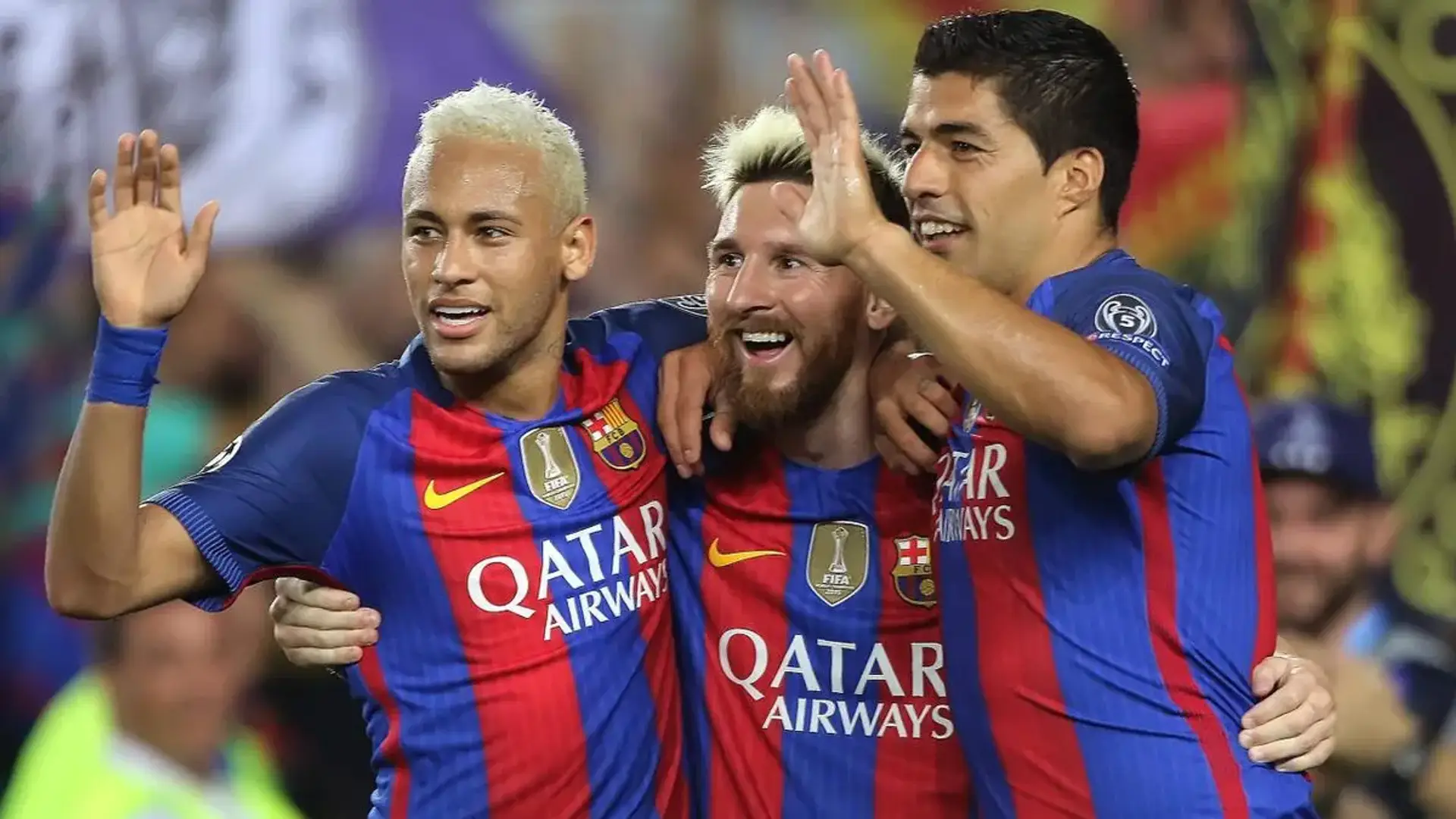
When fans argue about the greatest team of all time, they usually cite trophies, goals and famous nights, but the most useful way to approach the question is to focus on how those sides actually play over 90 minutes. By concentrating on what you see on screen—spacing, pressing, chance quality and control—you can compare Real Madrid, Barcelona and Bayern through a live-viewing lens rather than a list of honours, which makes debates about greatness more grounded in repeatable match patterns than in nostalgia or rivalry.
Why “Greatest Team” Debates Need a Live-Match Perspective
Calling a team the greatest implies that their best versions produce a level of control and threat that you can recognise within a few matches, not just over a decade of silverware. If you anchor that idea in live viewing, the core question becomes: which side makes complex matches look the most predictable because of the way they impose their structure and rhythm on the pitch. That reframing matters because it pushes you to evaluate how a team’s style holds up under different game states—leading, chasing, or protecting a narrow advantage—rather than just remembering famous comebacks or scorelines.
What Peak Real Madrid Look Like When You Watch Closely
At their Champions League peak under Zinedine Zidane, Real Madrid often combined a flexible 4-3-3 or 4-4-2 shape with aggressive full-backs and a midfield that controlled tempo without always dominating possession. Marcelo and Carvajal pushed high to provide width, while Casemiro protected transitions and Kroos and Modric orchestrated circulation, creating a platform for Ronaldo and Benzema to attack crosses and cut-backs from dangerous zones. When you watch them live, you frequently see periods where Madrid appear to suffer without the ดูบอลสดฟรี goaldaddy but then produce a ruthless five-to-ten-minute spell of pressure that flips the match through quick switches and high-quality final-third entries.
What Peak Barcelona Look Like Through the Camera Lens
Peak Barcelona under Pep Guardiola used positional play and intense high pressing to compress the game into tight central spaces, making the ball move faster than any single opponent. Short passing triangles and diamonds around the ball ensured that the player in possession almost always had at least two safe options, while coordinated pressing triggers—such as bad touches or backward passes—launched six-second waves to regain the ball high up the pitch. Watching them live, you notice long spells where the opposition cannot string three passes together in central areas, and every turnover immediately becomes a new attacking phase, which gives you the sense of continuous control even when the score is still narrow.
How Bayern’s Best Sides Express Dominance on Screen
Bayern’s strongest modern versions, from the treble-winning side to more recent high-pressing and positional-play teams, blend vertical aggression with carefully constructed triangles and diamonds around the ball. Their positional attacks often aim to create superiorities—numerical, positional and qualitative—by overloading one flank to drag defenders over before isolating a technically strong player in a half-space or wide channel. When you watch Bayern live, the dominance often appears in waves of diagonal runs from deep, repeated underlapping or overlapping movements and relentless pressing led by intelligent midfielders like Joshua Kimmich, which keeps opponents under constant physical and mental stress even if the scoreline takes time to reflect it.
How Live Viewing Reveals Each Team’s Tactical Identity
The easiest way to distinguish these teams in real time is to focus on where and how they try to gain superiority: Madrid often seek it in transition moments and wide overloads, Barcelona in central circulation and counter-pressing, Bayern in vertical and diagonal occupation of spaces between lines. In a single match, Madrid’s identity becomes clearest when they survive pressure then break with precision into wide zones, Barcelona’s when the ball seems glued to their midfield while opponents chase shadows, and Bayern’s when they repeatedly arrive with extra runners in the box from deeper positions. Viewing through this lens turns “greatness” from a vague label into a set of recognisable sequences you can spot and compare across different competitions and eras.
Using Live Matches to Judge Greatness in Real Time
When you watch a big match involving any of these sides, you can use a simple sequence of focus points to track whether they are imposing their preferred style or being forced into Plan B. First, observe their off-ball structure for five to ten minutes: is Madrid sitting in a compact mid-block with full-backs ready to surge, is Barcelona compressing space around the ball carrier, is Bayern holding an aggressive high line with coordinated pressure from midfield. Second, pay attention to where their best players receive the ball most often—wide and facing goal for Madrid’s forwards, between the lines for Barcelona’s interiors, or in half-spaces for Bayern’s attackers—which tells you whether the game is being played on their terms.
If you repeat this approach over a run of matches, patterns emerge about how resistant each team’s structure is to different types of opponents. For example, you may notice that peak Barcelona maintain their pressing intensity better against teams that try to play out, while peak Madrid thrive against rivals who attack and leave space for transitions, and Bayern look most dominant when they can sustain attacks against deeper blocks without being countered. That kind of pattern recognition, built through live viewing rather than highlight reels, gives you a more grounded sense of greatness because it reflects how often a team bends the game to its own logic rather than relying on individual brilliance alone.
How Continuous Live Viewing Sharpens Your Sense of Greatness
Across a season, watching full matches or long stretches instead of only condensed highlights lets you see how often each team’s strengths actually appear under different conditions, from away derbies to Champions League knockouts. During ดูบอลสด, you can track whether Madrid’s transitions still arrive late in games when legs are heavy, whether Barcelona’s pressing distances stay tight after losing the ball in advanced areas, and whether Bayern keep creating overloads in the half-spaces even when opponents adjust their defensive shape. Over time, you build a mental catalogue of how each side copes with fatigue, scoreline pressure and tactical tweaks, which is far more useful for judging long-term greatness than counting medals without context.
A Tactical Snapshot Table of the Three Giants
To make those differences easier to monitor in live matches, it helps to reduce each team’s peak identity to a few key viewing cues. The table below offers a simplified tactical snapshot that you can use as a checklist while you watch, focusing on where to look rather than on abstract labels.
| Team | Core attacking idea | Pressing / defensive tendency | What to watch live first 15 minutes |
| Real Madrid | Wide overloads, crosses, switches | Mid-block, selective high pressing | Full-back positions and speed of wide switches |
| Barcelona | Central possession, short triangles | High, coordinated counter-press | Distance between lines and pressing after loss |
| Bayern | Vertical runs, half-space overloads | Aggressive high press, high defensive line | Depth of back line and timing of diagonal runs |
When you apply this table during live games, you can quickly judge whether each side is reaching its ideal version or being pushed away from preferred behaviours. If Madrid’s full-backs are pinned deep and switches are slow, Barcelona’s lines are stretched and pressing triggers mistimed, or Bayern’s back line is forced to drop and stop risking vertical runs, you are effectively watching their greatness being neutralised. Conversely, when the cues align—Madrid’s wide dominance and surges into the box, Barcelona’s suffocating central control, Bayern’s relentless waves of vertical movement—you are seeing each club at something close to its peak identity, which is the level you should use when thinking about “greatest of all time”.
Summary
Greatness, viewed through 90-minute performances rather than record books, is about how consistently a team makes difficult matches look predictable on its own terms. Peak Real Madrid express that through wide dominance and ruthless transitional bursts, Barcelona through central possession and suffocating pressing, and Bayern through vertical superiority and high-intensity positional attacks that drag opponents out of shape. By watching these patterns closely across full matches and seasons, you gain a clearer sense of which side’s style feels most robust under pressure, which is ultimately a more meaningful way to approach the “greatest team ever” debate than any single trophy count or famous night.
