
International trade is an important part of any country’s business because it helps build relationships around the world and opens up new market possibilities. Here, we talk about important aspects of cross border trade, such as the main types of trade, their major operations, their benefits and how to plan IT.
We also give information about the country’s situation, giving a full picture for people who want to understand how International trade works. Read on for more information!
What is it?
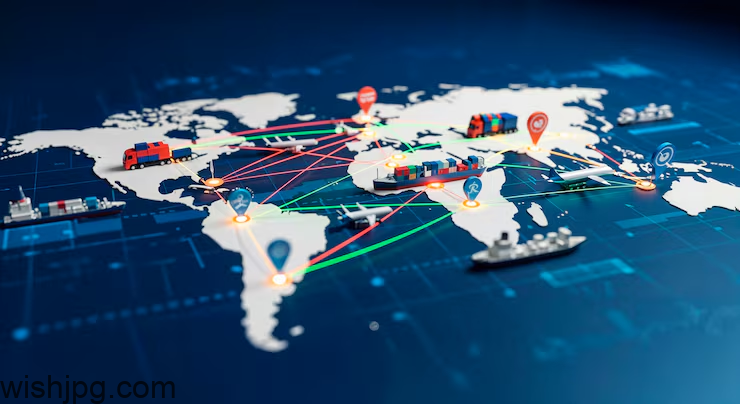
Imports and exports are both considered to be part of cross border trade, which is the flow of goods and services between nations. Since it allows nations to acquire resources and goods they cannot access in their own countries, IT is quite crucial. With IT, states trade goods with each other by land, air, and sea, this alters prices and demand all over the world. The cost of production can also change because of things like the cost of labor or bureaucratic bottlenecks in IT which can cause prices of goods on global markets to change as well. However, cross border trade is a crucial and necessary business process for a smooth flow of necessary materials across borders.
Further, a country can import items from other places and export items to other countries. It keeps track of these deals in its current account, which is part of its balance of payments. By means of overseas commerce, nations can maximise the resources that are particular to them. This raises effectiveness and output. When countries trade with each other, they can get the most out of their money, people, and technology. In the world market, this helps them more than others.
Benefits of International Trade
Here are some basic advantages of IT:
1. Development of Economics
Countries can expand by producing more goods and earning more money thanks to global trade, which links them to marketplaces all over the world. Exporting goods increases national income for the nation, and this growing commerce has greatly assisted many countries escape poverty. For their economy to grow rapidly, nations like China and Vietnam turned to global trade. It also facilitates corporate growth, therefore generating additional employment.
2. Availability of a varied spectrum of products and services
Foreign commerce is one wonderful thing as it allows individuals all around the world to pick from a vast array of products and services. This diversity guarantees that consumers may get items perhaps produced outside of their own nation. This provides consumers additional choices and supports fresh ideas; especially in sectors dependent on worldwide supply networks.
3. Competitiveness and Creativity
Global commerce promotes competitiveness, so companies globally have to develop fresh ideas and put more effort to keep ahead of the competition in other nations. Better goods and services resulting from this provide consumers greater options at fair rates.
4. Scales of Economies
Entering international markets allows companies to cut unit costs and boost output figures. Because it improves quality and reduces prices, this benefits consumers as well as producers.
5. Chances for employment
Particularly in companies like manufacturing, technology, and transportation that depend on exports, trade expansion generates jobs.
6. Technology and Skill Transference
Trade facilitates the sharing of knowledge and technology among people, thus enabling impoverished nations to acquire more contemporary equipment and information, thus promoting economic development.
7. Improving Foreign Relations
Trade makes nations increasingly dependent on one another, which promotes international relations by means of commercial alliances benefiting both sides and helps to maintain peace.
Types of IT
Bilateral and global trades are the two main categories under which global trade is classed. Each type has a different effect on the way global trade works because it requires different amounts of participation and agreements between countries.
1. Bilateral Trade
Bilateral trade is the trade between two countries of products and services. The two nations consent to exchange some items among one another. For instance, Country X might trade oil for machines with Country Y, making the deal good for both sides.
2. Multilateral Trade
Multilateral trade accords enable several nations to interact with one another. Negotiating arrangements with more than one partner helps nations trade with more individuals more effortlessly. By using this type of commerce, nations can acquire a wider spectrum of commodities and services and foster closer economic relations concurrently between several countries.
How to Make an IT Plan?
Any company, but especially small businesses hoping to grow internationally, must have a global trade plan. These seven important elements should help one create a worldwide trading plan:
1. Have a Strong Product Offering
Start with a distinctive, premium product fit for your target market’s tastes. Presenting something unique can help you stand out as it might be difficult to challenge well-known names.
2. Be Sure There’s a Market Opportunity
Investigate the market carefully to be sure your target market has demand. To determine market demands and evaluate competition, use SWOT and PEST analysis; also, get understanding from databases and polls.
3. Work Out Supply Chain Logistics
Create a dependable and flexible supply chain by looking at several vendors to help to reduce risk. If your company develops quickly, be sure your partners can satisfy demand and manage foreign exports.
4. Comply With International Law
Follow laws both domestic, foreign, and destination-country. Dealing with local experts keeps you informed on legal changes, especially with relation to intellectual property and import/export policies.
5. Form Strategic Partnerships
Develop contacts with nearby companies or experts that can help you negotiate cultural quirks, market plans, and legal compliance.
6. Leverage Government Resources
Navigate the export process using government support programs using the resources of the ITA or Export Assistance Centers.
7. Hire the Right Talent
Employ a qualified staff with a background in cross-cultural communication and exports. Frequent training will guarantee good relationships with foreign clients and partners.
End Note
International Trade strengthens economies, brings people together, and sparks original thought. It aids governments in acquiring more goods, growing their businesses, and best utilising their resources. By extending across boundaries, global trade enables businesses to grow, compete, and create jobs. International relations get stronger and remain calm as countries become more dependent on one another. With the right approach, companies, even tiny ones, may take advantage of international prospects, encourage creativity, and expand the global market.
